IoT Course
Course Overview
Connecting people, goods, and activities to create sustainable social systems that lead into the future
We cultivate creative IT professionals who possess practical, applicable knowledge that enables them to identify problems independently and explore concrete solutions.
To that end, students acquire both foundational and practical specialized knowledge and skills rooted in the IoT technology field and extending across a broad range of related areas. In addition, through research, they solve various information-related problems with creative, systems-thinking-based ideas and a global perspective, thereby contributing to the advancement of the information society.
Research Fields and Areas, Keywords for Learning
- Smart Factory
- Smart Agriculture
- Smart City
- Digital Health
- Automation
- Smart Home
- Acoustics
- Security
- Drone
- Autonomous Driving
Curriculum
1st year
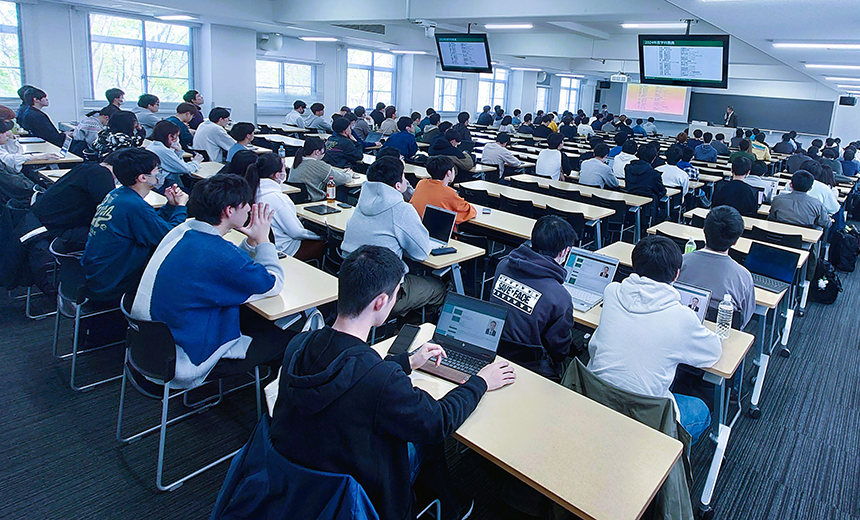
IoT Basics
Acquiring fundamental specialized knowledge and skills in the field of information science, particularly in IoT technologies.
IoT has become the infrastructure of smart societies. In this course, students learn the history, mechanisms, application examples, technologies and challenges involved in implementing IoT systems, as well as market trends, thereby acquiring fundamental knowledge related to IoT.
2nd year
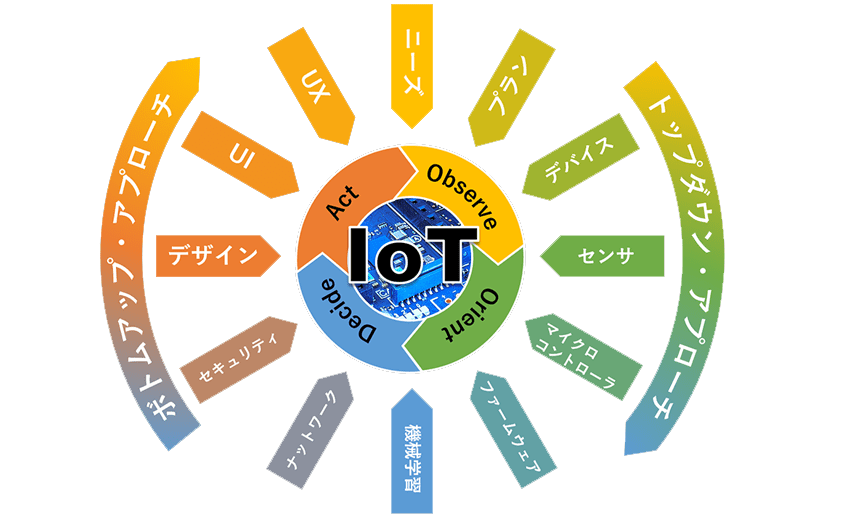
IoT Design Theory
Selecting the primary field for your desired career path and acquiring foundational knowledge in your specialized area.
Students learn fundamental knowledge of the technologies required to build IoT systems—such as measurement, control, communication, analysis, and prediction—and develop an approach to IoT system design based on the principles of “Why, What, and How.”
3rd year
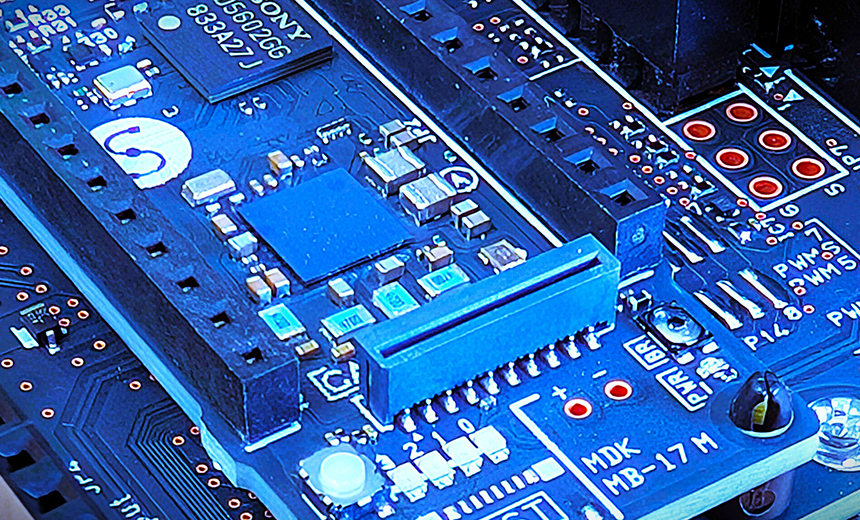
IoT Project
Acquiring advanced specialized knowledge for career advancement and foundational knowledge for conducting graduation research.
By applying the foundational IoT knowledge and design techniques learned so far, students design and build IoT systems based on selected themes. Through this hands-on experience, they acquire practical know-how of manufacturing that cannot be gained through classroom learning.
4th year
Faculty and Researchers
Course Data
| Degree | Bachelor of Engineering | |
|---|---|---|
| Campus | Years 1-4: Omiya Campus | |
| Number of people | Number of faculty members | Click here |
| Admission capacity | 60 people | |
| Number of students | Click here | |
| Number of students entering graduate school | - | |
Other Data
Enrollment Trends (Persons)
| Enrollment Trends (Persons) | 2025 Annual |
|---|---|
| Enrollees | |
| Gender ratio |