Media Course
Course Overview
Designing experiences through systems that blend the virtual and the real
We cultivate creative IT professionals who possess practical, applicable knowledge that enables them to identify problems independently and explore concrete solutions.
To that end, students acquire both foundational and practical specialized knowledge and skills grounded in the field of media technologies and extending across a broad range of related areas. In addition, through research, students address various information-related issues using creative ideas rooted in systems thinking and a global perspective, thereby contributing to the advancement of the information society.
Research Fields and Areas, Keywords for Learning
- IoT
- Generative AI
- Autonomous Driving
- Image Processing
- Data Science
- Machinery
- VR
- Image Generation
- Computer Simulation
Curriculum
1st year
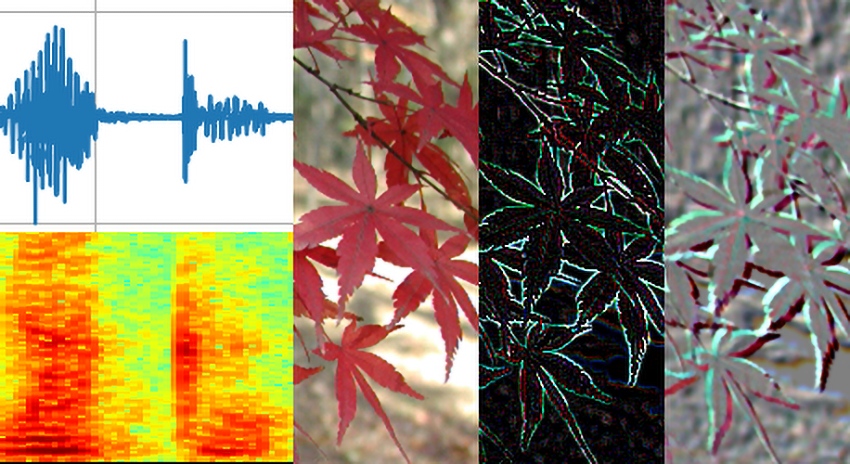
Introduction to Media Processing
Acquiring fundamental specialized knowledge and skills in the field of information science, particularly in media technologies.
Media information such as images, speech, and sound is an important source of information for humans, and the technologies used to handle it are essential to the development of many fields. In this class, students acquire fundamental knowledge for working with media information.
2nd year
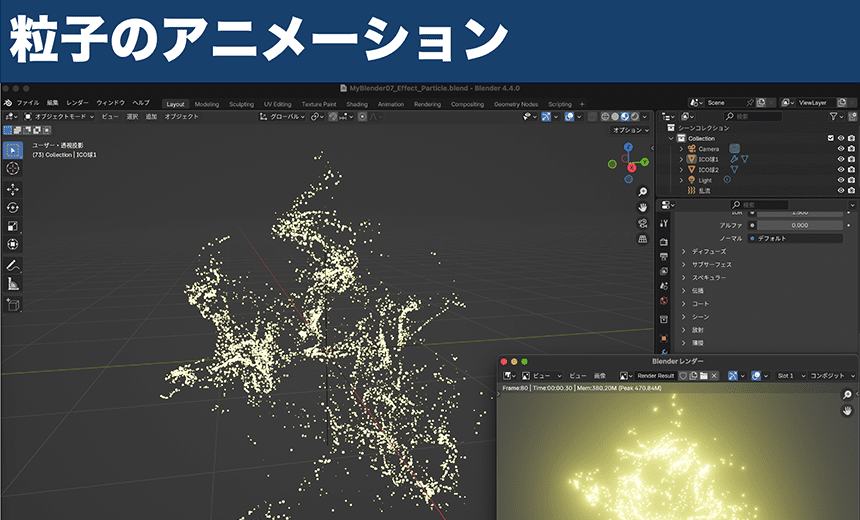
Computer Graphics
Selecting the primary field for your desired career path and acquire foundational knowledge in your specialized area.
Computer graphics, the technology used to generate images and videos with computers, is an essential technology utilized in VR, AR, media design, and many other fields. In this class, students learn fundamental methods of modeling and rendering.
3rd year
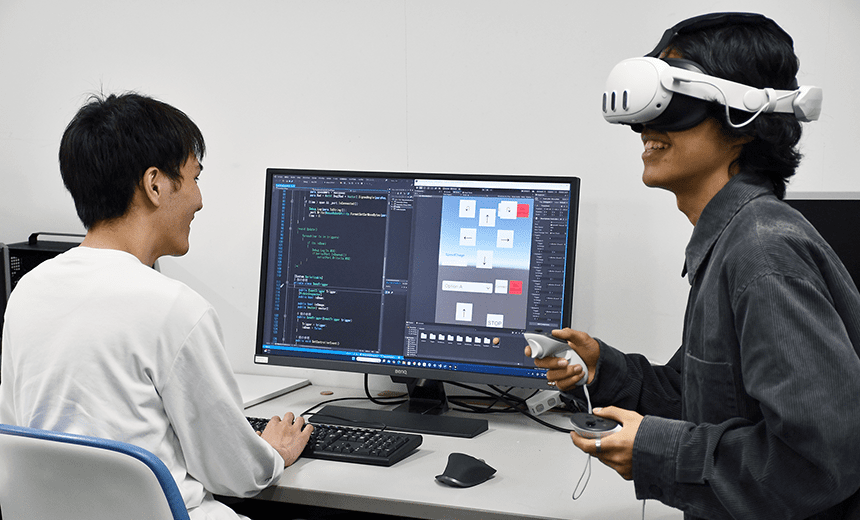
VR/AR 2
Acquiring advanced specialized knowledge for career advancement and foundational knowledge for conducting graduation research.
Students learn three-dimensional and complex visual expression techniques such as VR and AR using media technologies including images, audio, and sound. Through both lectures and exercises, they acquire practical knowledge of VR/AR and gain programming skills related to these technologies.
4th year
Faculty and Researchers
Course Data
| Degree | Bachelor of Engineering | |
|---|---|---|
| Campus | Years 1-4: Omiya Campus | |
| Number of people | Number of faculty members | Click here |
| Admission capacity | 60 people | |
| Number of students | Click here | |
| Number of students entering graduate school | - | |
Other Data
Enrollment Trends (Persons)
| Enrollment Trends (Persons) | 2025 Annual |
|---|---|
| Enrollees | |
| Gender ratio |