Cognitive Linguistics and Language Data Analysis Laboratory

We investigate how the human mind is reflected in language and psychological data.

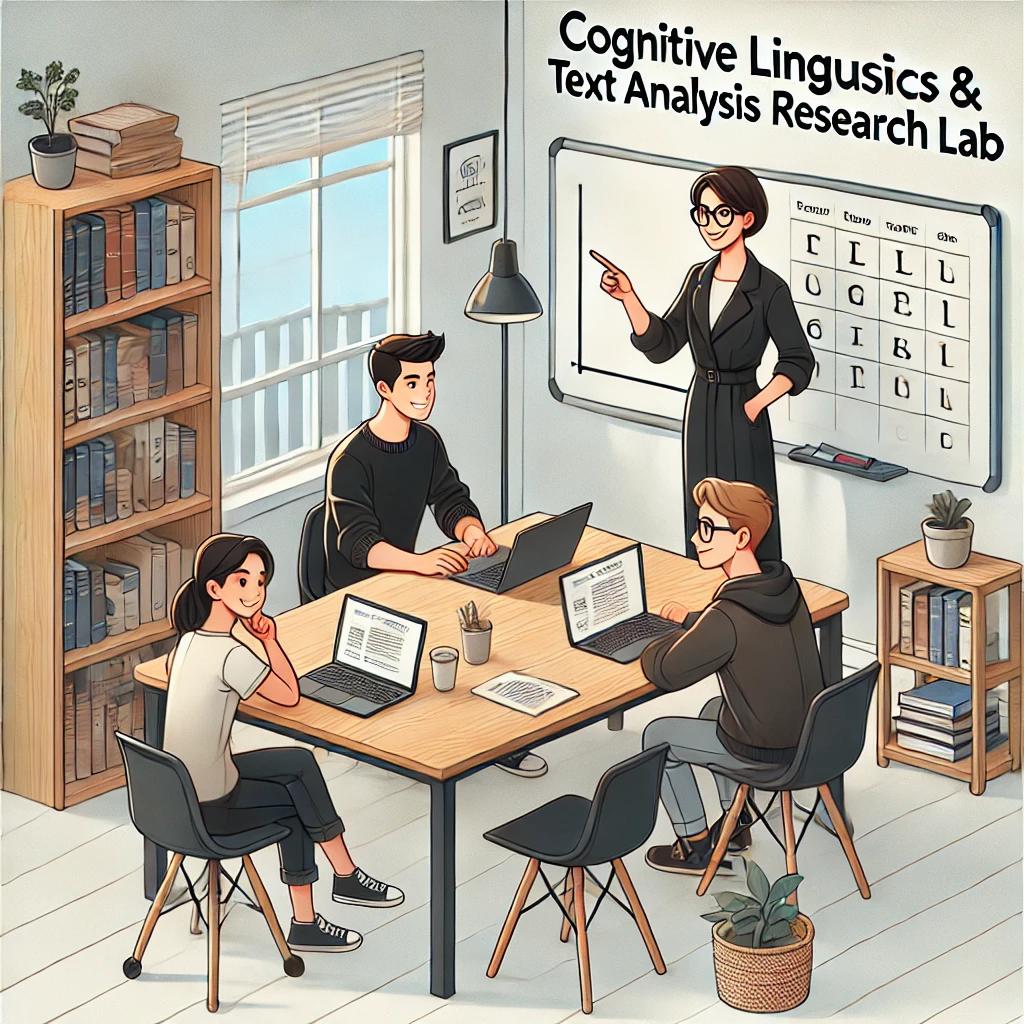
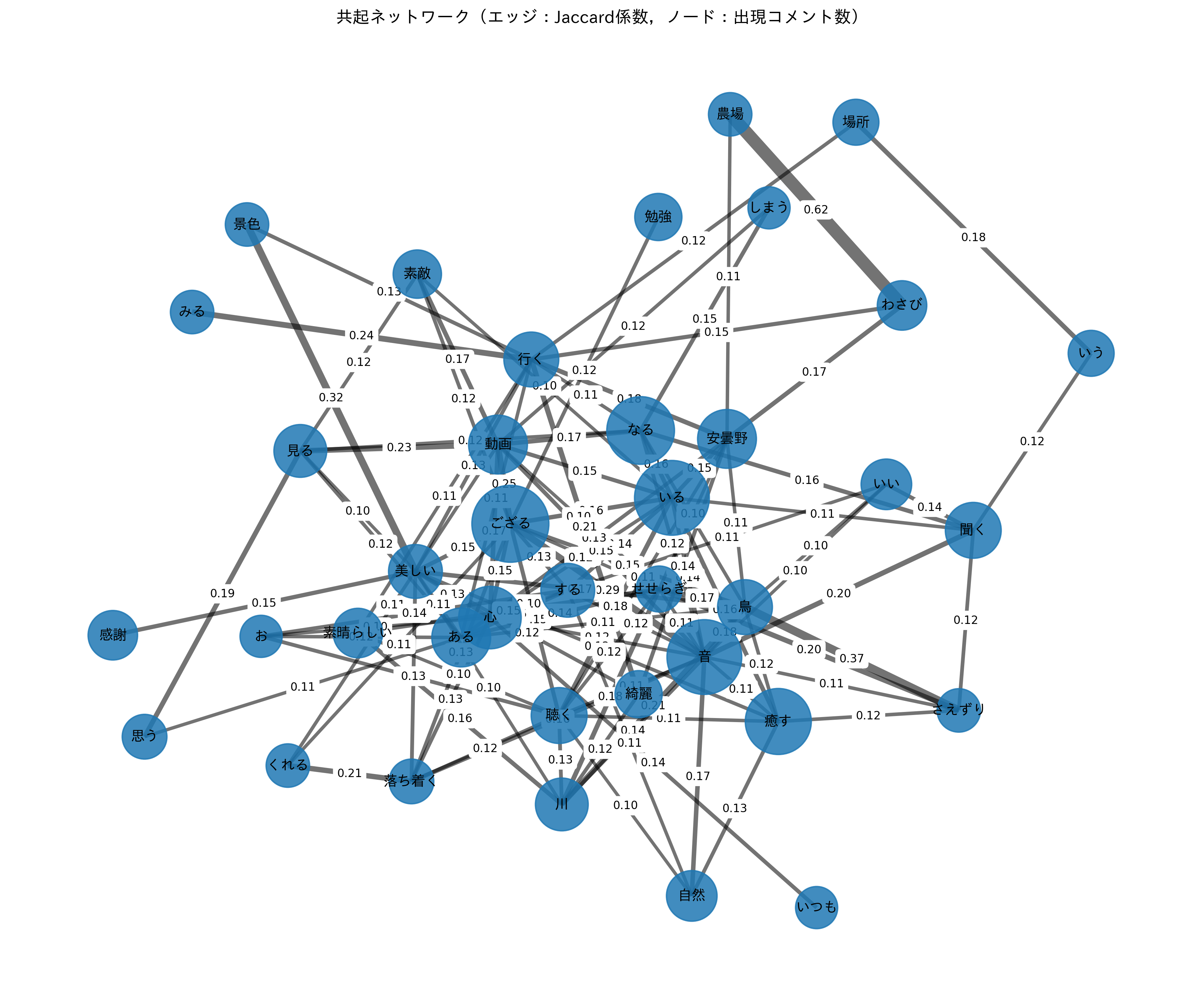
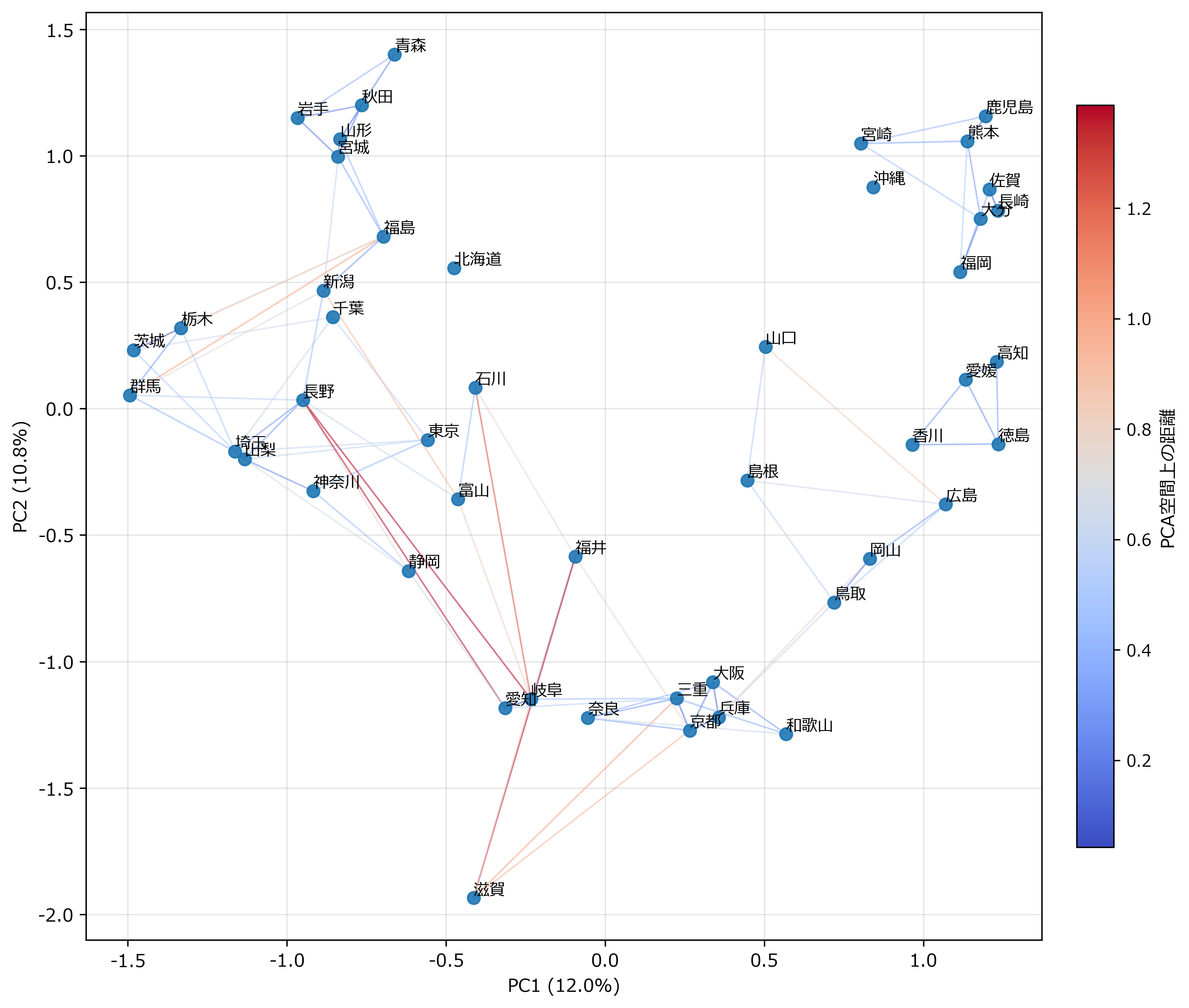
Linguistics is an academic field that seeks to extract features from data on language as it is actually used, and to describe and explain the mechanisms and tendencies underlying such language use in the form of models. However, it is not realistic to investigate every individual speaker comprehensively. Therefore, by analyzing collections of language data known as corpora, or samples, researchers aim to clarify tendencies in language use within the observable range, which can then provide insight into the broader population. In this laboratory, we analyze linguistic differences across age groups and communities, as well as differences in linguistic expression associated with psychological states, from both qualitative and quantitative perspectives. The corpora used in our research are created through various channels, including text collection via API requests using Python, small-scale questionnaire surveys of people close to us, and large-scale questionnaire surveys conducted through research companies. The linguistic and psychological data obtained through these methods are processed mechanically using programming and software, and then analyzed and modeled through statistical methods. The results are interpreted from qualitative perspectives in linguistics and psychology, with the aim of explaining differences in language use and human cognition. Many students in this laboratory are interested in modeling how movements of the human mind and differences in cognition are reflected in linguistic expression, or how linguistic expression influences society. For the main research topics, please see the “Laboratory Close-up” section below, which is updated regularly.

College of Engineering Mechanical Engineering Advanced Mechanical Engineering / Graduate School of Engineering and Science(Master's Program) Mechanical Engineering Course / Graduate School of Engineering and Science(Doctor's Program) Functional Control Systems Course
Faculty Name
SHINTANI, Mayu
Keyword
Language Data Analysis,Cognitive Linguistics,Psychometrics,Educational Technology,Textmining
Laboratory location
No.4 Building OMIYA Campus 4F 4402-2

This lab is for this SDG activity:

  • 質の高い教育をみんなに

STUDY FIELDS

  • Text Mining
  • Quantitative Text Analysis
  • Linguistic Analysis Using Python
  • Educational Technology
  • Development and validation of psychometric scales
  • Statistical Analysis
  • Cognitive Linguistics

FOR SOCIETY

Deepen our understanding of human diversity through language. Improve language education by analyzing people’s psychological states and the language they use to express them.

RESEARCH THEMES

  • Predictive Modeling of Code-Switching Occurrence Using Psychological Traits and Individual Attributes as Explanatory Variables in Chinese Conversation
  • Text Mining Analysis of English Learners’ Perceptions of Generative AI
  • Surveys of Communication Skills and Their Development Among Engineering Students and Professionals
  • Development of Predictive Models for J-Pop Popularity Using Spotify Metadata and Lyrics
  • Development of Psychometric Scales to Measure Psychological Readiness for English Learning
  • Investigations of the uncanny valley phenomenon based on linguistic data and psychological states

Laboratory close-up

- Area: This laboratory is positioned at the intersection of science-oriented quantitative approaches and humanities-oriented qualitative approaches. Our research focuses on language, communication, and human cognition, while using statistical analysis and mathematical modeling. This laboratory is suitable for students who are interested in topics such as “I am in science or engineering, but I want to conduct research on language,” “I would like to apply my knowledge of statistics to language research,” “I would like to analyze linguistic data through programming,” or “I would like to analyze education from an engineering perspective.” - Recent student research topics: Recent topics include “Prediction of code-switching occurrence in Japanese language use by Chinese international students,” “Development of predictive models for J-Pop popularity using Spotify metadata and lyrics,” “Analysis of consumer behavior in oshi-katsu based on personality,” “Development of psychometric scales for evaluating the uncanny valley in artificial faces,” and “A survey of English WTC among engineering students.” - Graduate and undergraduate research seminars: Seminars are held on the Toyosu Campus. In addition to reading course materials and academic papers, students engage in practical data analysis using Python and statistical software. Students who are new to programming or statistical analysis will be guided step by step. - For those considering graduate study: Students who wish to receive supervision at Shibaura Institute of Technology’s graduate programs (Master’s and Doctoral) are encouraged to contact us in advance. Contact: shintani[atatatat]shibaura-it. ac. jp (please replace “[atatat]” with “@” and adjust punctuation as needed) - International students: The laboratory accepts international students who hold a Japanese student visa (with prior experience). If you are interested, please consult in advance via the TAO system or by direct contact.

RELATED VIDEOS

LINKS

FIND LABORATORIES RELATED TO YOUR RESEARCH FIELD