
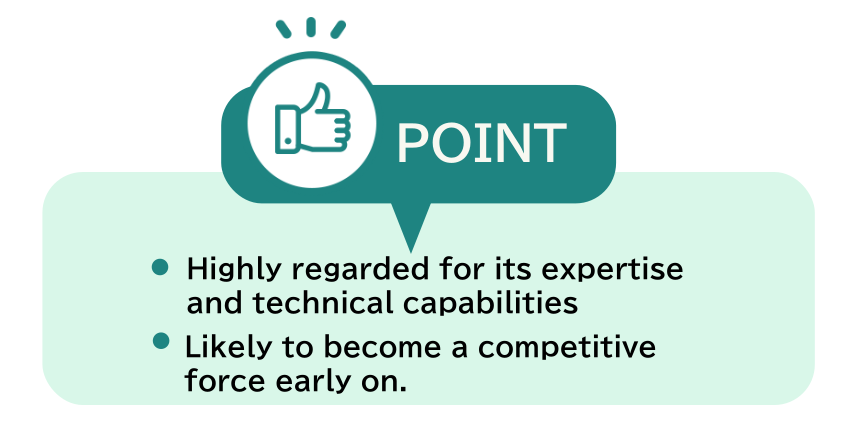
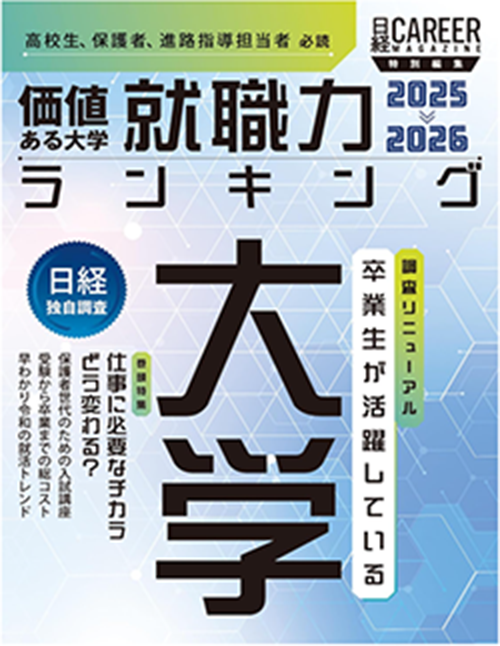
Ranked 8th nationwide (including national and public universities) in the ‘2026 Employment Rate Ranking of 400 Leading Companies.’
| 1 | Toyota Technological Institute★ | 73.1% |
| 2 | Nagoya Institute of Technology | 56.3% |
| 3 | Hitotsubashi University | 54.7% |
| 4 | Keio University★ | 48.7% |
| 5 | Institute of Science Tokyo | 47.3% |
| 6 | Tokyo University of Science★ | 45.6% |
| 7 | The University of Electro-Communications | 42.4% |
| 8 | Shibaura Institute of Technology | 42.4% |
| 9 | Waseda University★ | 41.0% |
| 10 | Akita International University | 40.0% |
Shibaura Institute of Technology ranked 8th nationwide among Japan’s leading universities.
With comprehensive career development programs including department-specific career guidance, structured employment seminars, and personalized career counseling the University provides strong support for students’ career paths.
As a result, the employment rate of the Class of 2025 reached 99.5%, and 42.4% of graduates secured positions at one of Japan’s Top 400 leading companies, reflecting the University’s outstanding employment performance.
For inquiries regarding career and employment support, please contact the the Career Support Section.
career@ow.shibaura-it.ac.jp
Inquiries are welcome from students of all academic years.
Ranked No. 1 nationwide in the ‘Universities HR Pays Attention to and Is Eager to Recruit From’ category of the ‘University Rankings Based on Alumni Career Success’!

THE World University Rankings 2027
Overall Ranking ※Some of private universities are listed
|
Rank 176 |
Juntedo University |
|
Rank 201~250 |
Keio University Waseda University |
|
Rank 401~500 |
Tokyo University of Science |
| Rank 604~800 | Shibaura Institute of Technology Ritsumeikan University Hosei University Rikkyo University |
| Rank 801~ |
Sophia University Chuo University Meiji University Doshisha University Kwansei Gakuin University Aoyama Gakuin University Kansai University |
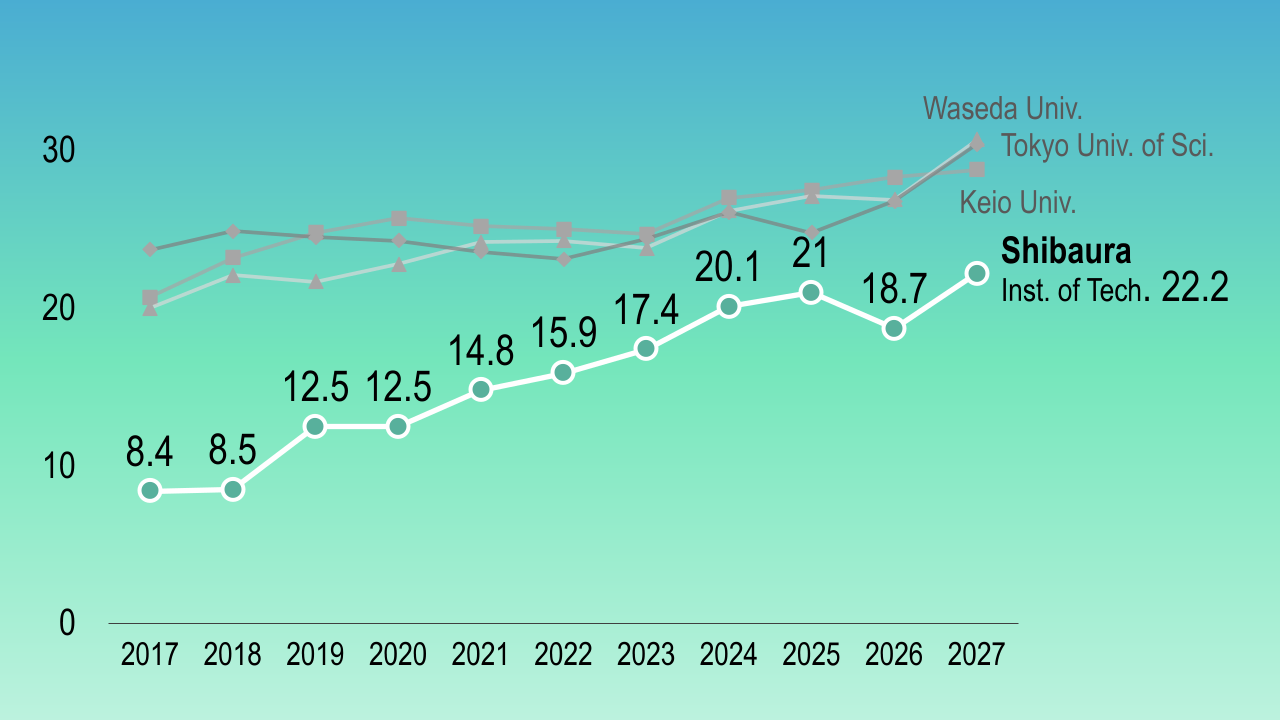
Research Environment Ranking
| Rank among private universities in Japan | Name |
Research |
Overall Score |
| 1 | Waseda University | 30.7 | 36.4–40.1 |
| 2 | Tokyo University of Science | 30.4 | 27.3–30.4 |
| 3 | Keio University | 28.8 | 36.4–40.1 |
| 4 | Shibaura Institute of Technology | 22.2 | 24.2–27.1 |
| 5 | Tokyo Medical University Hospital | 21 | 33.3–36.3 |
| 6 | Ritsumeikan University | 19.4 | 24.2–27.1 |
| 7 | Juntedo University | 19.1 | 43.4–44.4 |
| 8 | Toho University | 17.3 | 24.2–27.1 |
| 9 | Aichi Medical University | 16.9 | 30.5–33.2 |
| 10 | International University of Health and Welfare | 15.8 | 24.2–27.1 |
| 10 | Teikyo University | 15.8 | 20.4–24.1 |
International Outlook Ranking
| Rank among private universities in Japan | Name |
Research |
Overall Score |
| 1 | Rikkyo University | 24.2–27.1 | 55.5 |
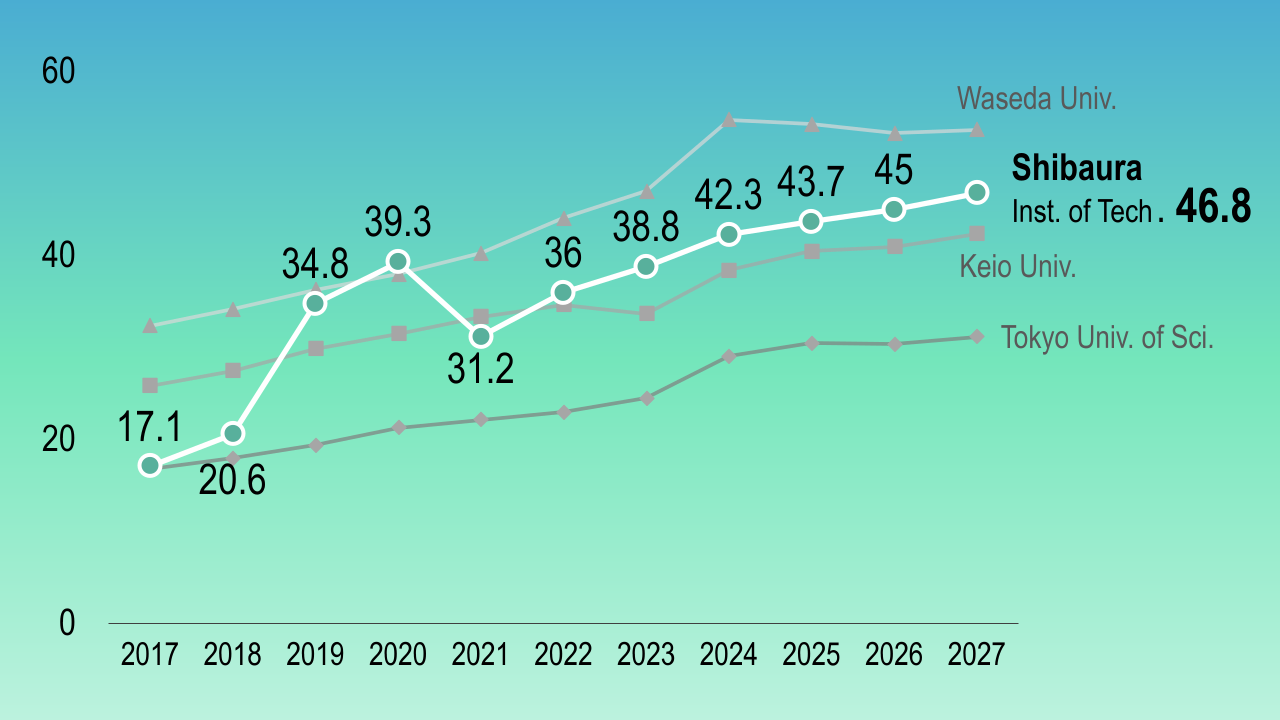
| 2 | Waseda University | 36.4–40.1 | 53.7 |
| 3 | Sophia University | 12.2–20.3 | 52.7 |
| 4 | Ritsumeikan University | 24.2–27.1 | 48.9 |
| 5 | Shibaura Institute of Technology | 24.2–27.1 | 46.8 |
| 6 | Konan University | 12.2–20.3 | 44.5 |
| 7 | Keio University | 36.4–40.1 | 42.4 |
| 8 | Hosei University | 27.3–30.4 | 41.2 |
| 9 | Kanagawa University | 12.2–20.3 | 41 |
| 10 | Kwansei Gakuin University | 12.2–20.3 | 37.8 |
Applicant Popularity Ranking
No. 1 in Applicant Popularity in 3 of 4 Engineering Fields (Kanto-Koshinetsu Region)
| Information Engineering and Communications Engineering | |||
| Rank | Previous Year | University | % |
| 1 | 3 | Shibaura Institute of Technology | 16.0 |
| 2 | 7 | Tokyo Denki University | 15.0 |
| 3 | 5 | Tokyo University of Science | 14.4 |
| 4 | 3 | Institute of Science Tokyo | 11.7 |
| 5 | 2 | Meiji University | 10.9 |
| Mechanical Engineering and Electrical & Electronic Engineering | |||
| Rank | Previous Year | University | % |
| 1 | 1 | Shibaura Institute of Technology | 16.7 |
| 2 | 4 | Tokyo University of Science | 14.3 |
| 3 | 5 | Tokyo Denki University | 12.3 |
| 4 | 2 | Meiji University | 10.5 |
| 5 | 2 | Institute of Science Tokyo | 10.1 |
| Architecture and Civil Engineering | |||
| Rank | Previous Year | University | % |
| 1 | 1 | Shibaura Institute of Technology | 24.1 |
| 2 | 2 | Nihon University | 17.6 |
| 3 | 4 | Meiji University | 14.9 |
| 4 | 3 | Tokyo University of Science | 11.0 |
| 5 | 7 | Tokyo Metropolitan University | 10.5 |
| Energy and Materials | |||
| Rank | Previous Year | University | % |
| 1 | 3 | Tokyo University of Science | 15.6 |
| 2 | 4 | Institute of Science Tokyo | 12.5 |
| 3 | 7 | Shibaura Institute of Technology | 11.5 |
| 4 | 9 | Chiba University | 11.5 |
| 5 | 2 | Meiji University | 11.5 |
Latest Research in the Spotlight
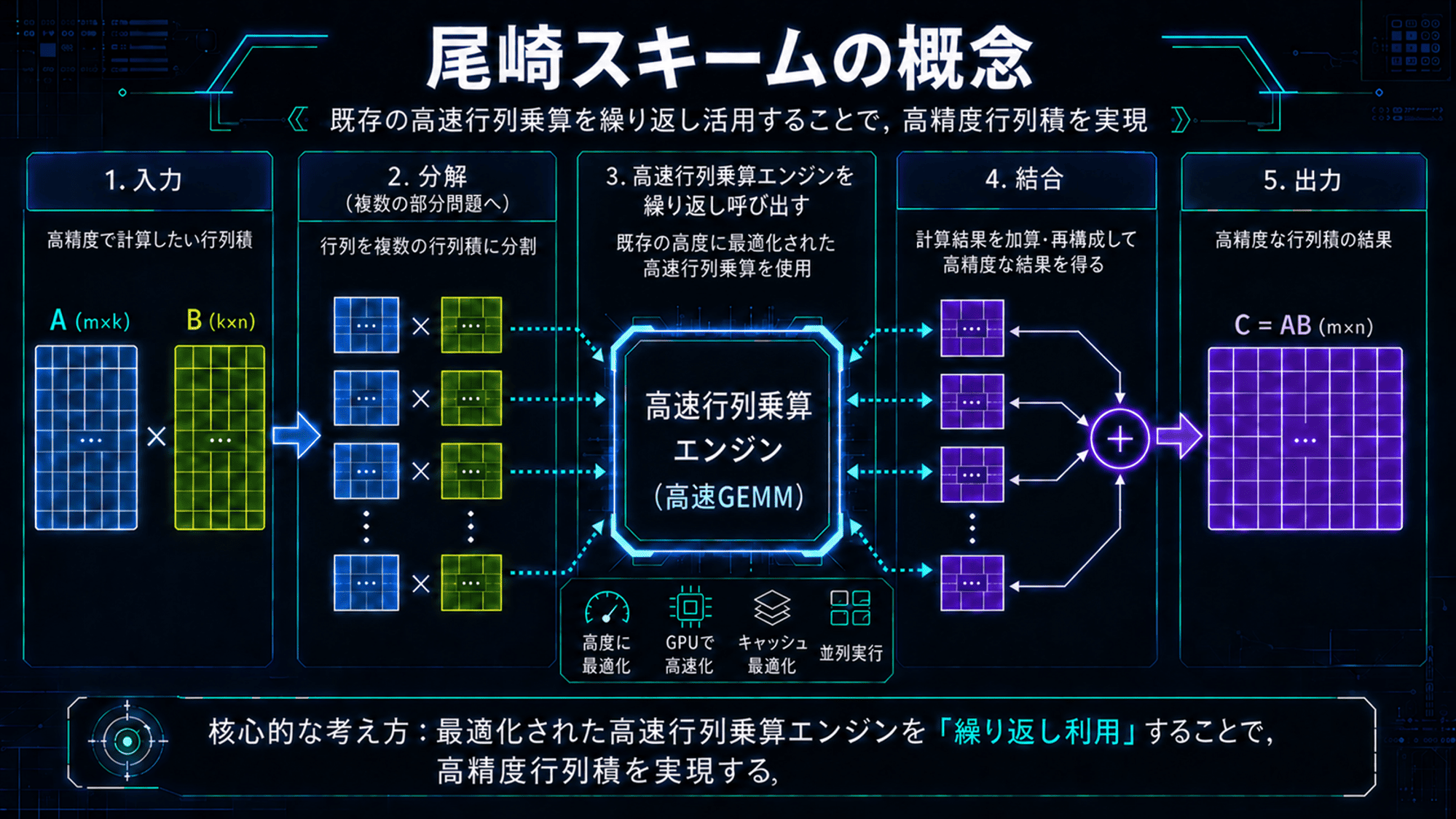
NVIDIA Adopts Computational Algorithm by Professor Ozaki of Shibaura Institute of Technology — Unlocking the High-Precision Computing Essential for Scientific Simulation from AI-Era GPUs
Ozaki Scheme II, a computational method devised by Professor Katsuhisa Ozaki (Numerical Analysis Laboratory) and colleagues at the College of Systems Engineering and Science, Shibaura Institute of Technology (Koto City, Tokyo; President: Jun Yamada), has been adopted into CUDA, the GPU development platform provided by U.S.-based NVIDIA. It is included in CUDA Toolkit 13.4, the latest version released in September 2026.
In recent years, GPUs have evolved rapidly toward accelerating low-precision computation (computation with fewer digits) for AI development. On the other hand, it has been difficult to fully draw out hardware performance for the accurate double-precision computation (computation with more digits) that scientific simulations such as weather forecasting, seismic design, and new materials development require.
This method is a technology that dramatically speeds up high-precision computation by mathematically combining the low-precision computation designed for AI. Following the adoption of the first-generation Ozaki Scheme I in 2025, the new Ozaki Scheme II has now been incorporated into CUDA, which researchers around the world use. As a result, the outcome of fundamental research that a Japanese university can take pride in will directly support the foundation of scientific and technical computing worldwide.
Learn more