Mechatronics Course
Course Overview
Optimizing social systems through mobility, robotics, design, and more
We cultivate engineers capable of researching and developing mechanical and electrical systems by organically combining specialized knowledge with cross-disciplinary expertise. To that end, students will acquire fundamental specialized knowledge in the mechanical and electrical fields, as well as practical expertise and skills in three areas selected from mechanical engineering, electrical engineering, electrical and thermal fluid engineering, mobility and robotics, and design. In addition, through practical research related to mechanical and electrical systems that appropriately respond to social needs, students will contribute to the advancement of a highly information-oriented society.
Research Fields and Areas, Keywords for Learning
- Robotics
- Data Science
- Rehabilitation
- Acoustics
- Energy-saving System
- Mobility
- Universal Design
- Clean Energy
- Network
Curriculum
1st year
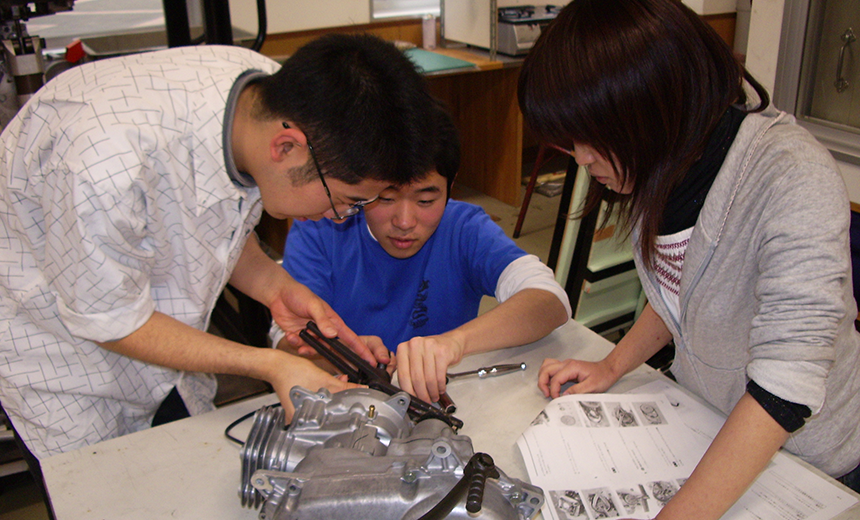
Acquiring Fundamental Expertise and Skills in Mechanical and Electrical Fields
Experiments in Manufacturing Engineering:
Among the knowledge and skills related to manufacturing technology, machinery and electrical systems form the core foundation as knowledge concerning mechanisms and the power that drives them. In this class, students will engage in hand finishing, manufacturing practice using general-purpose machine tools, and basic electrical circuit construction practice.
2nd year
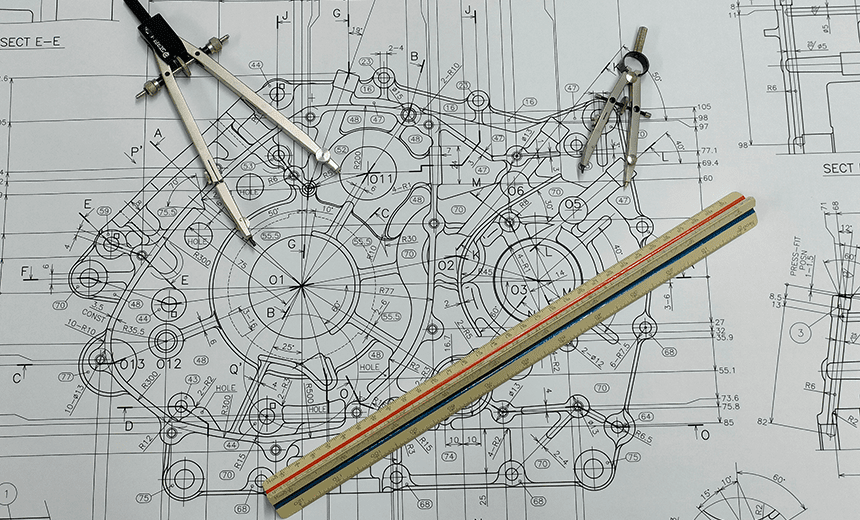
Select the primary field for your desired career path and acquire foundational knowledge in your specialized area.
Engineering Design and Drafting:
Based on knowledge of mechanical dynamics, strength of materials, kinematics, and manufacturing engineering, students will gain the ability to design mechanical systems composed of multiple components. They will develop practical design skills by applying knowledge acquired in courses such as Manufacturing Engineering Practice and Basic Mechanical Drafting.
3rd year
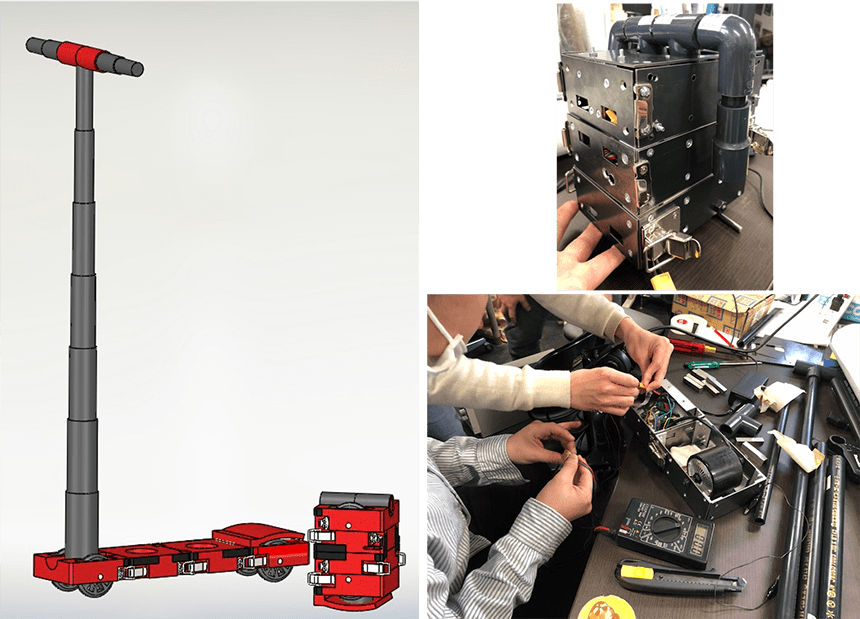
Acquire advanced specialized knowledge for career advancement and foundational knowledge for conducting graduation research.
Inventive and Creative Design:
With the aim of fostering innovation, students learn the upstream design process of product development. Through active learning, they engage in a systematic process that includes creating emotional value, reverse engineering, quality function deployment, and product planning using 3D CAD.
4th year
Faculty and Researchers
Course Data
| Degree | Bachelor of Engineering | |
|---|---|---|
| Campus | Years 1-4: Omiya Campus | |
| Number of people | Number of faculty members | Click here |
| Admission capacity | 90 people | |
| Number of students | Click here | |
| Number of students entering graduate school | - | |
Other Data
Enrollment Trends (Persons)
| Enrollment Trends (Persons) | 2025 Annual |
|---|---|
| Enrollees | |
| Gender ratio |